
• Amazing Tours Review

DESTINATIONS

JAPAN - ENDLESS DISCOVERY

Home of the lightening fast bullet train, historical temples and shrines, and vending machines selling just about everything

Embracing the future and preserving the past is not an easy task but the Japanese make pull off this feat with such grace.


  • NATURAL SCENERIES

  • Mt. Mitake-san

  • Tokyo

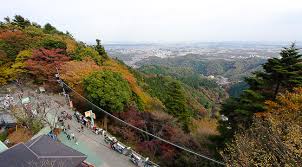
    A mountain in the upstream of Tama-gawa River and a wild bird paradise, supporting various species of birds.

  • Mt. Mitake-san is located upstream along the Tama-gawa River that flows through western Tokyo, and is a part of Chichibu Tama National Park. The area around Mt. Mitake-san is the most popular sightseeing spot in the Okutama region. It is a natural treasury where you can see many wild birds, various kinds of plants, and even some wild animals. It attracts hikers and campers throughout the year.
  • Amazing Tours Review
  • Amazing Tours Review
Mobile DevicesMobile Devices

Lake O-numa

Hokkaido

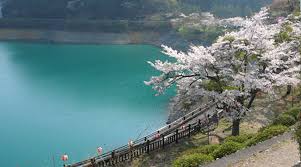
Lake O-numa, located in the southern part of Hokkaido, is part of O-numa Quasi National Park, together with the nearby Ko-numa and Junsai-numa marshes. Lake O-numa is 24 kilometers in circumference and was formed by the eruption of Mt. Koma-ga-take. It has 126 islands, large and small, and is famous for the spectacular views of these islands connected by 18 bridges.
The area is also famous for its 18 bridges connecting the islands in the lake.

HISTORICAL SIGHTSEEING

image-1

Nakamise-dori Street

Tokyo

One of the major tourist spots in Tokyo, supported by human kindness and stores unique to the downtown as well as the picture scrolls of Asakusa

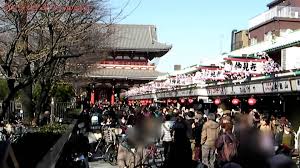
Passing through the vermilion-lacquered Kaminarimon Gate, which is famous as the symbol of Asakusa, Taito-ku, Tokyo, you will find much to surprise and excite you. Kaminarimon is the entrance to Nakamise, the front approach to Senso-ji Temple. The approximately 250 m long approach from Kaminarimon Gate to Hozomon Gate is called Nakamise-Dori. There are numerous stores lined up on this approach, about 50 on the east side and 30 on the west side, all of them old and historical. You can fully enjoy the atmosphere of shitamachi (downtown Tokyo).

image-1

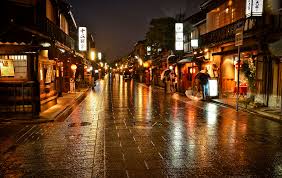
Gion

Kyoto

A representative downtown area of Kyoto where you can also enjoy traditional Japanese performing arts

Gion, in Higashiyama-ku, Kyoto, is a representative downtown area of Kyoto. Wooden teahouses, Japanese restaurants, and traditional town houses called machiya stand in line on the south side of Gion, which creates an appearance with atmosphere. The area covering from Shinbashi Street in the north to Kenninji Temple in the south across Shijo Street, and from Yamato-oji Street in the west to Higashi-oji Street in the east is Gion-cho.

image-1

Mino Area

Gifu

Historic town with deep roots and a thriving Japanese paper industry.

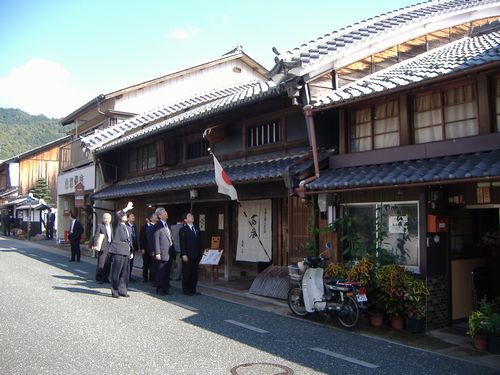
Mino City is located in southwestern Gifu Prefecture. It has been known for centuries as a production center for traditional Japanese paper. In fact, Mino Japanese paper is regarded as some of the best for its high-quality.

The history of Mino Japanese paper goes back as far as the 8th century. A major portion of the types of Japanese paper donated to the Shosoin Repository in Nara are Mino Japanese paper. The paper industry thrived in Mino due to the availability of large quantities of paper mulberry and the abundant and clear waters of the Nagara and Itadori Rivers.